

Lab Grown Diamond Proposal Ring Trends That Steal the Show
How to Choose a Lab Grown Diamond Proposal Ring
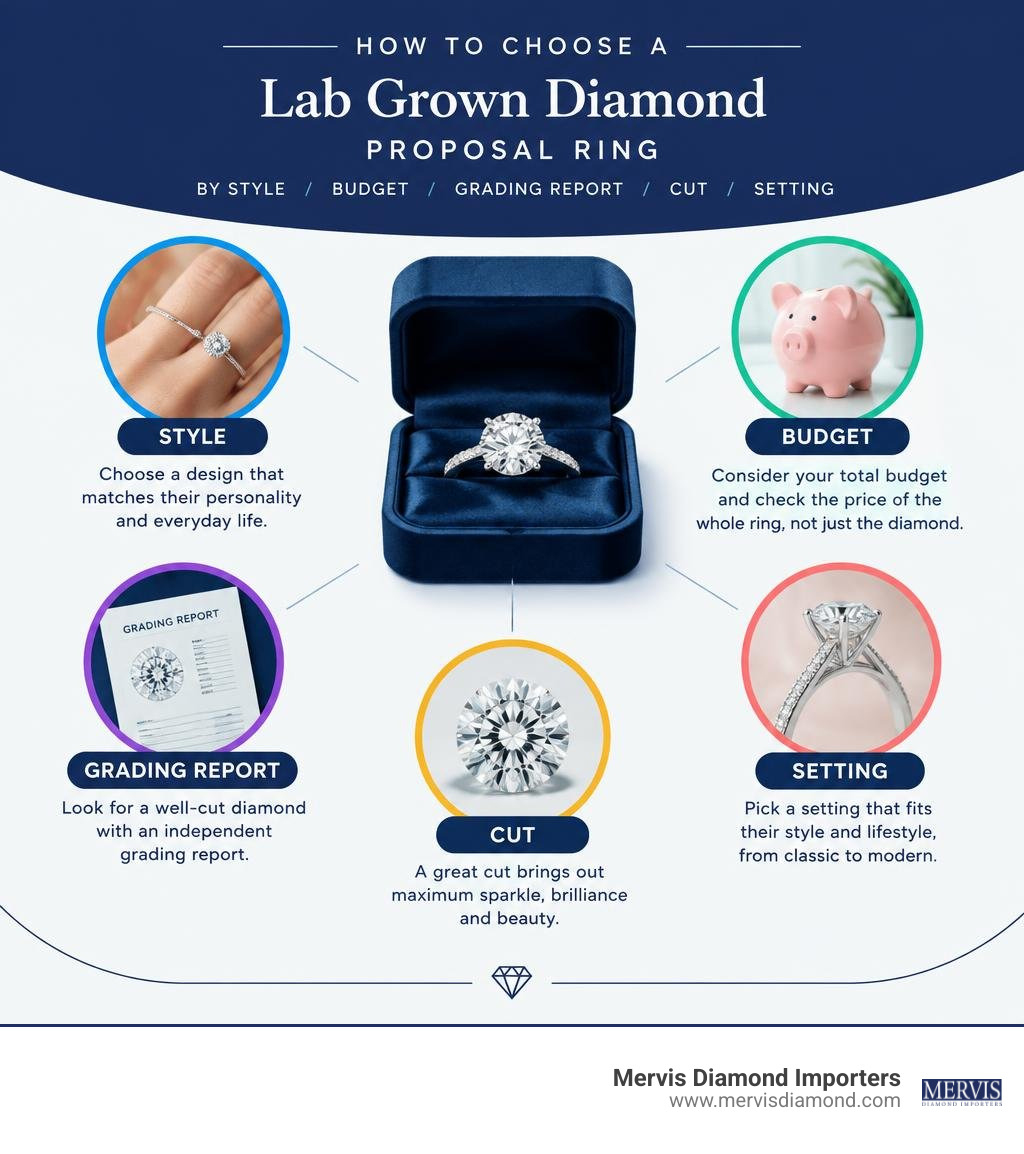
Start with your partner's style and your total budget. Look for a well-cut diamond with an independent grading report, compare how it looks in person, and choose a setting that suits their daily life. Check the price of the whole ring, not just the diamond.
Lab-grown diamonds are real diamonds. They can offer the same sparkle and durability as mined diamonds, often at a lower price. That leaves more room in your budget for the size or design your partner loves. But don't assume every lab-grown stone has the same quality or environmental impact.
I'm Morris Mervis, and I'll walk you through the choices that matter most before you buy.
Why a Lab Grown Diamond Proposal Ring Is the Modern Choice
When planning a proposal, selecting the center stone is often the biggest decision you will make. Today, couples across Washington, DC, Maryland, and Virginia increasingly gravitate toward lab created stones. Understanding the core differences between earth-mined gems and laboratory-created gems helps you make an empowered choice.
To make an informed decision, it helps to examine how the two options compare across key categories:
| Feature | Lab-Grown Diamonds | Natural Mined Diamonds |
|---|---|---|
| Chemical & Physical Composition | Pure crystallized carbon (10 on Mohs scale) | Pure crystallized carbon (10 on Mohs scale) |
| Creation Method | High Pressure High Temperature (HPHT) or Chemical Vapor Deposition (CVD) | Geological pressure and volcanic transport over billions of years |
| Average Cost Difference | Typically 20% to 40% less expensive | Traditional market baseline |
| Average 1-Carat Ring Cost | ~$2,500 | ~$5,500 |
| Carbon Footprint | Estimated 3 to 4 times lower | Higher environmental footprint from earth extraction |
| Typical Resale Value | ~30% to 50% of purchase price | ~50% to 70% of purchase price |
| Visual Sparkle & Fire | Identical optical performance | Identical optical performance |
Lab diamonds are grown using two primary advanced technological methods: High Pressure High Temperature (HPHT) and Chemical Vapor Deposition (CVD). HPHT replicates the intense heat and crush of the earth's mantle, while CVD uses a carbon-rich plasma gas to build diamond crystal atom by atom on a seed plate.
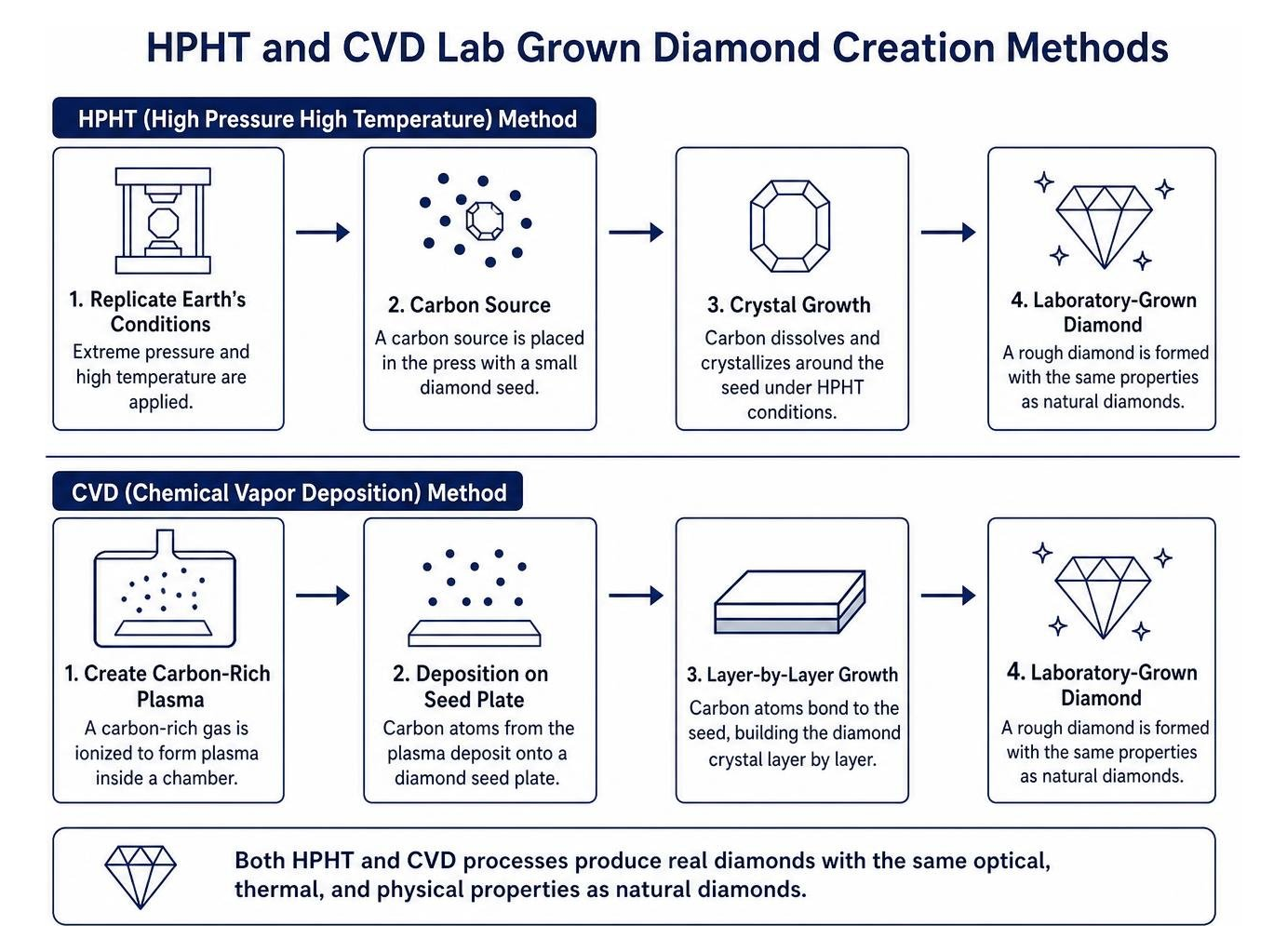
Both processes yield genuine diamonds that share the exact optical, thermal, and physical properties of natural stones. When comparing lab grown vs natural diamonds, the most noticeable distinction for buyers is that lab stones typically cost 20% to 40% less for equivalent quality. This cost advantage allows you to maximize carat weight, select exceptional cut grades, or invest in elaborate custom settings.
Environmental and Ethical Advantages
Modern buyers care deeply about where their luxury purchases originate. Because lab diamonds are produced inside controlled laboratory environments rather than open-pit or deep-underground mines, they provide complete supply-chain transparency and a conflict-free guarantee.
The environmental footprint of creating a diamond in a lab is estimated to be 3 to 4 times lower than that of heavy earth extraction. According to the U.S. Geological Survey, global synthetic diamond production has grown substantially as laboratory technology has matured. For eco-conscious couples, choosing a lab created diamond ensures their symbol of lifelong commitment reflects shared ethical and sustainable values.
Market Growth and Popularity Shifts
The bridal jewelry landscape has evolved dramatically over recent years. In 2023, the global lab-grown diamond market was valued at $19.3 billion, and industry analysts project it will expand at a compound annual growth rate (CAGR) of 9.4% through 2030. Consumer sentiment surveys show that 70% of shoppers would consider a lab-grown diamond for their engagement, while roughly 80% of millennial and Gen Z couples actively embrace them.
We have witnessed this transition in our local showrooms. Couples shopping for lab grown diamond engagement rings in D.C. and Northern Virginia love that their budget stretches significantly further without sacrificing beauty, certification standards, or timeless elegance.
How to Select and Verify Diamond Quality
Every diamond is unique, regardless of whether it formed underground over eons or grew inside a specialized reactor over weeks. Evaluating quality requires the same rigorous gemological framework used for all fine jewelry.
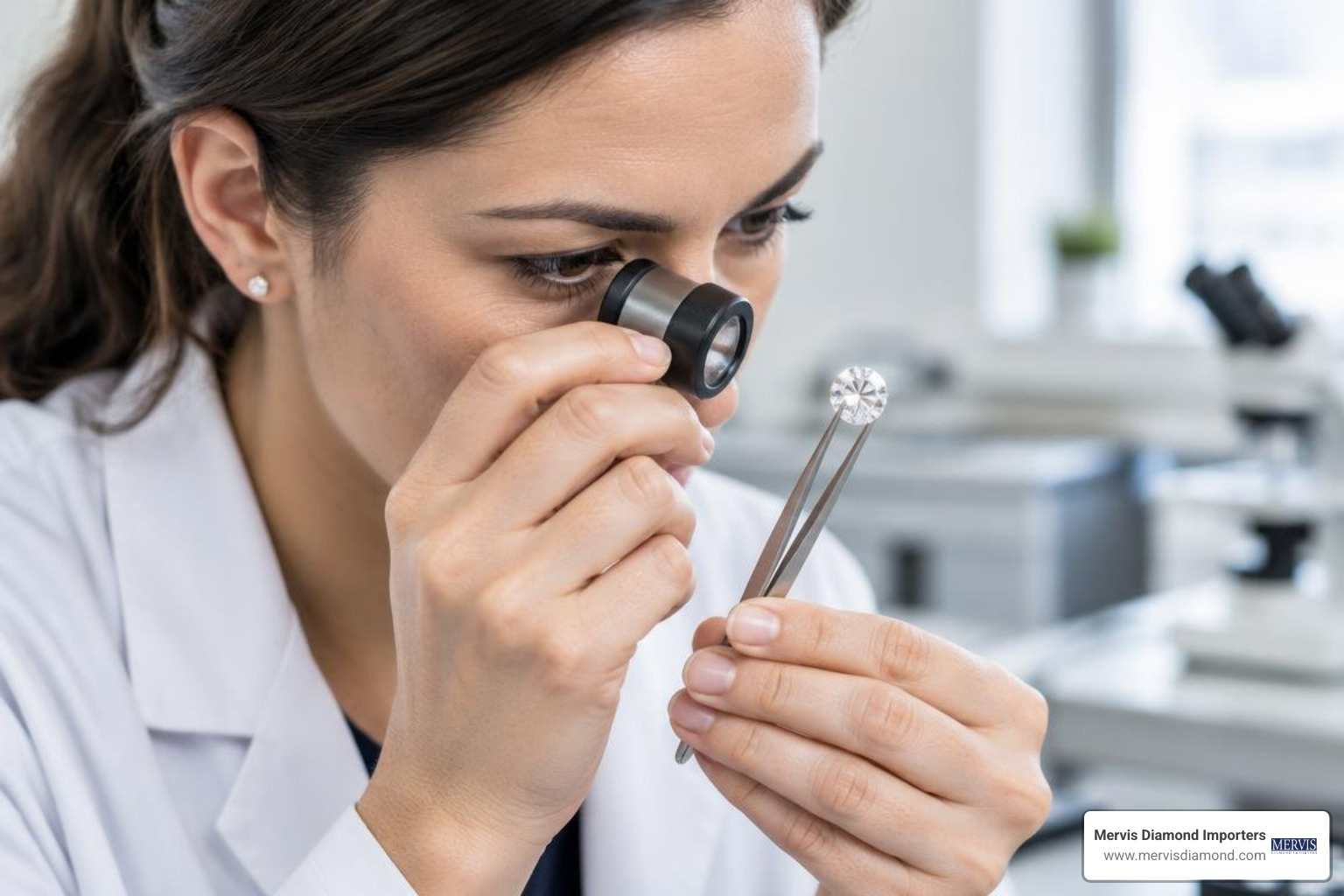
Independent gemological institutions, such as the International Gemological Institute (IGI) and the Gemological Institute of America (GIA), grade lab diamonds according to universal standards. These organizations evaluate the stone, assign specific color and clarity grades, and laser-inscribe a microscopic certification number onto the diamond's girdle for permanent identification.
Evaluating the 4 Cs for a Lab Grown Diamond Proposal Ring
When evaluating lab-grown stones, the classic 4 Cs remain your roadmap:
- Cut: Cut is the most important factor determining sparkle, brilliance, and fire. Prioritize an Excellent or Ideal cut grade above all else so light returns directly to the eye rather than leaking out the sides or bottom.
- Color: Diamonds are graded from D (completely colorless) to Z (light yellow or brown). Because lab diamonds offer exceptional value, you can easily secure top-tier colorless stones (D, E, F) or near-colorless options (G, H) that face up bright white in any precious metal.
- Clarity: Clarity measures internal characteristics (inclusions) and surface blemishes. Grades from VVS1 down to VS2 generally represent stones that are completely eye-clean, meaning no imperfections are visible without high magnification. A striking 1.51-carat oval lab diamond with D color and VS1 clarity exemplifies how you can achieve pristine visual purity within an accessible budget.
- Carat Weight: Carat measures the physical weight of the gem. Because lab stones carry lower per-carat costs, couples often upgrade their center stone size from a 1.0-carat mined baseline to a 2.0-carat or larger lab diamond without stretching their planned expenditure.
Verification and Certification Standards
Never purchase an uncertified diamond. A legitimate independent laboratory report verifies that your diamond is genuine, provides accurate measurements, and notes whether HPHT or CVD synthesis was utilized.
When examining stones in person, ask your jeweler to show you the laser inscription under a gemological microscope or a 10x loupe. This number should match the accompanying grading certificate letter for letter. For deeper insights into grading reports and cut quality, explore our comprehensive lab grown diamond ring guide before making a final commitment.
Design Innovations and Setting Choices
A breathtaking center diamond deserves a setting that complements its brilliance while protecting it for decades of daily wear.
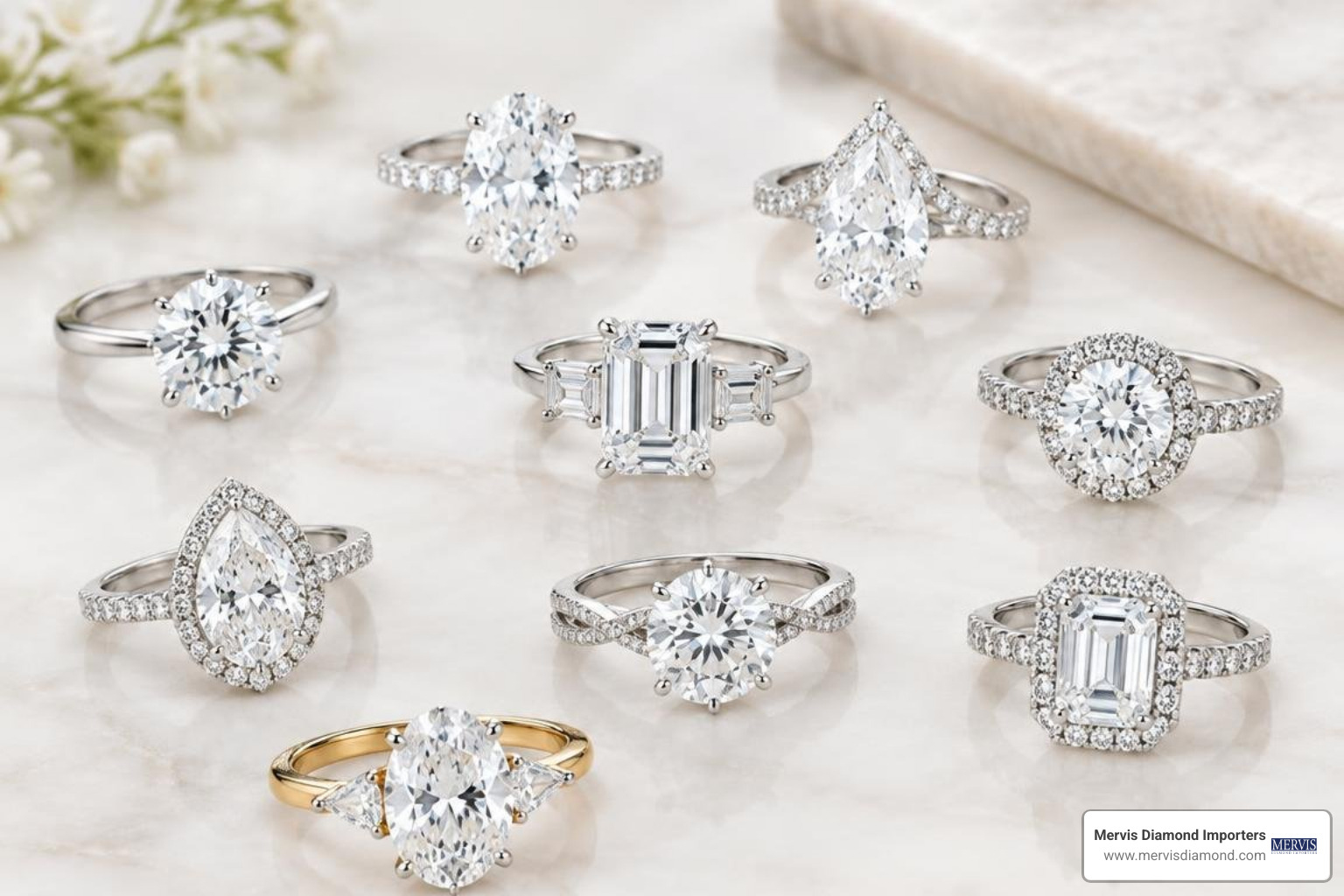
The metal you choose sets the tone for the entire piece:
- Platinum: Hypoallergenic, naturally white, and dense, platinum secures larger stones with superior long-term prong durability.
- 18k Yellow Gold: Warm and classic, yellow gold provides rich contrast against bright, colorless diamonds.
- 18k White Gold: Offers a sleek, contemporary luster plated with rhodium for extra brightness.
- 14k or 18k Rose Gold: Provides a romantic, vintage-inspired blush hue that flatters a wide range of skin tones.
Trending Settings for a Lab Grown Diamond Proposal Ring
Setting styles have evolved to showcase center stones in creative, personalized ways:
- Hidden Halo Settings: Dainty diamonds line the basket underneath the center gem, providing a secret burst of sparkle from side angles.
- Minimalist Solitaires: Four or six delicate prongs let maximum light enter the diamond, keeping attention centered on the stone's cut and proportions.
- Modern East-West Alignments: Orienting fancy shapes horizontally creates an architectural, avant-garde silhouette. Unique designs like an east-west pear bezel ring deliver eye-catching flair while keeping the diamond secure.
- Bezel Settings: A smooth rim of precious metal encases the stone's perimeter. Contemporary pieces like a heart bezel-set ring blend playful romantic shapes with durable, snag-free protection.
- Cathedral and Trellis Mountings: Sweeping arches raise the stone gracefully above the finger, creating room for flush wedding band stacking.
Popular Fancy Shapes and Band Pairings
While round brilliant cuts remain a perennial favorite, fancy shapes have surged in popularity:
- Elongated Ovals: Offer a large surface area for their carat weight and visually flatter the finger.
- Emerald & Radiant Cuts: Step-cut emeralds deliver vintage hall-of-mirrors elegance, while radiants pair an emerald silhouette with brilliant-cut scintillation.
- Pears and Marquises: Distinctive tapered profiles that stand out against traditional bridal aesthetics.
To see which cuts are currently capturing the most attention across the capital region, check out our guide to trending diamond shapes.
Long-Term Ring Care, Maintenance, and Insurance
Because lab diamonds share the exact chemical composition of earth-mined diamonds, they rate a solid 10 on the Mohs hardness scale. They resist scratching, chipping, and daily abrasion better than any other gemstone on earth.
To keep your ring in peak condition:
- Clean at Home Regularly: Soak the ring in warm water mixed with mild dish soap once a week. Gently scrub behind the basket using a soft baby toothbrush, rinse thoroughly, and pat dry with a lint-free cloth.
- Schedule Professional Checkups: Visit your jeweler twice a year for professional ultrasonic cleaning and prong inspections to ensure stones remain secure.
- Insure Your Investment: Secure specialized jewelry insurance right after purchase. Standard homeowners policies often have low coverage caps for jewelry; specialized providers cover accidental loss, theft, and damage worldwide.
Couples exploring engagement rings in Rockville, MD can always visit our local showroom for complimentary cleaning, inspections, and formal appraisal documentation.
Frequently Asked Questions About Lab Diamonds
Are lab grown diamonds considered real diamonds?
Yes. The Federal Trade Commission (FTC) recognizes lab-grown diamonds as real diamonds. They are made of pure carbon crystallized in an isometric cubic system. They have the identical chemical, optical, and physical properties as mined diamonds. They are not diamond simulants like cubic zirconia or moissanite, which have completely different chemical structures.
Do lab grown diamonds test as real on diamond testers?
Standard thermal diamond testers will confirm that a lab diamond is a real diamond because lab diamonds conduct heat identically to mined diamonds. However, specialized gemological screening devices used by trained jewelers can detect subtle growth patterns and trace nitrogen levels to distinguish between laboratory and geological origins.
Will a lab grown diamond lose its sparkle or discolor over time?
No. A lab-grown diamond will never get cloudy, lose its brilliance, or change color. Because it is 100% genuine crystalline carbon, its optical clarity and hardness are permanent. It will look as luminous on your fiftieth anniversary as it does on the day you propose.
Conclusion
Choosing the perfect proposal ring is a blend of artistry, science, and personal love story. A lab-grown diamond allows you to prioritize exceptional cut quality, impressive scale, and sustainable craftsmanship without exceeding your comfort zone.
At Mervis Diamond Importers, our family has guided couples across Washington, DC, Maryland, and Northern Virginia through milestone jewelry moments for generations. Whether you are leaning toward an earth-mined classic or an innovative lab-created center stone, we provide the curated selection and transparent, pressure-free advice you need.
Learn more by exploring our detailed guide on mined vs lab grown diamonds or visit one of our local showrooms to view these magnificent gems side by side.