

A Practical Guide to Lab Grown Diamond Rings vs Natural
To understand a lab grown diamond ring, it helps to realize that lab-created diamonds are not imitation stones like cubic zirconia or moissanite. Instead, they are physically, chemically, and optically identical to natural mined diamonds. Both consist of pure carbon atoms organized in a tight, three-dimensional crystal lattice structure.
In nature, diamonds form under extreme pressures and scorching temperatures deep within the Earth's mantle over millions of years. In modern laboratory environments, scientists replicate these exact geological conditions using advanced technology, allowing a diamond seed to mature in weeks rather than millennia.
Chemical Vapor Deposition (CVD) vs High Pressure High Temperature (HPHT)
There are two primary scientific processes used to create lab grown diamonds:
- High Pressure High Temperature (HPHT): This traditional method mimics the natural tectonic conditions of the Earth. A tiny diamond seed is placed in a mechanical press alongside pure carbon. Under temperatures reaching 1,500°C and pressures exceeding 70,000 atmospheres, the carbon melts and crystallizes around the seed.
- Chemical Vapor Deposition (CVD): In this method, a thin diamond seed wafer is placed inside a vacuum chamber filled with carbon-rich gases (such as methane). Microwave energy ionizes the gas into plasma, causing pure carbon atoms to settle layer by layer onto the seed. To learn more about this state-of-the-art process, explore our detailed guide on what is a cvd diamond.
Are Lab Created Diamonds Real Diamonds?
Yes, lab-created diamonds are 100% real diamonds. The Federal Trade Commission (FTC) expanded its definition of a diamond to include both lab-grown and earth-mined stones, recognizing that both possess identical atomic structures, refractive index, fire, and hardness (a 10 on the Mohs scale).
Because they are real diamonds, if you test a lab-grown stone with standard thermal or electrical gemological equipment, it will respond identically to a mined stone. If you've ever wondered do lab diamonds pass a diamond tester, the answer is an unqualified yes — they test as real diamonds every single time because, scientifically, they are. Specialized lab laboratory equipment or spectroscopy is required for trained gemologists to detect microscopic growth patterns and differentiate between the two.
Lab Grown vs Natural Diamonds: Cost, Quality, and Environmental Impact
Choosing between a lab-created and a mined stone comes down to weighing your personal priorities around budget, ethics, and long-term value.
| Metric / Feature | Lab Grown Diamond Rings | Natural Mined Diamond Rings |
|---|---|---|
| Average Savings | 50% to 70% lower price tag | Premium price point |
| Carbon Footprint | Up to 60% lower carbon emissions | Substantial land disruption |
| Physical Durability | Mohs Hardness: 10 | Mohs Hardness: 10 |
| Visual Appearance | Identical fire, sparkle, and brilliance | Identical fire, sparkle, and brilliance |
| Traceability | 100% origin guaranteed | Requires supply chain auditing |
The decision to choose a lab grown diamond ring often hinges on these distinct advantages. Read our full analysis on mined vs lab grown diamonds to explore how these factors compare across different ring styles.
Key Benefits of Choosing a Lab Grown Diamond Ring
The most compelling advantage for modern buyers is budget efficiency. Because the production chain for lab-created gems avoids heavy heavy-machinery mining operations, consumers enjoy massive savings. Evaluating the average cost of lab grown diamonds shows that a lab grown stone allows you to significantly upscale your ring size or design without stretching your spending limits.
- Maximize Carat Size: You can select a larger center stone while remaining well within your comfort zone.
- Eco-Conscious Appeal: Lab processes reduce severe topsoil erosion and produce significantly fewer carbon emissions per carat.
- Ethical Peace of Mind: Laboratory conditions eliminate concerns regarding unethical supply chain practices.
If you are looking for maximized value, explore our best cheap man made diamond engagement rings guide to see how far your budget can take you.
Evaluating Quality Using the 4 Cs and Certification
Just like mined stones, lab grown diamonds are graded on the exact same 4 Cs established by international gemological authorities:
- Cut: The precision of angles and facets that dictate brilliance and sparkle.
- Color: Graded on a scale from D (colorless) to Z (noticeable yellow/brown tint).
- Clarity: The evaluation of natural inclusions or blemishes, ranging from Flawless to Included.
- Carat: The physical unit of weight measuring the diamond.
Always demand a independent certificate from respected agencies like the International Gemological Institute (IGI) or the Gemological Institute of America (GIA). Review our gia certified clean diamond guide 2026 to see why independent grading protects your investment.
Sizing and Styling Your Engagement Ring
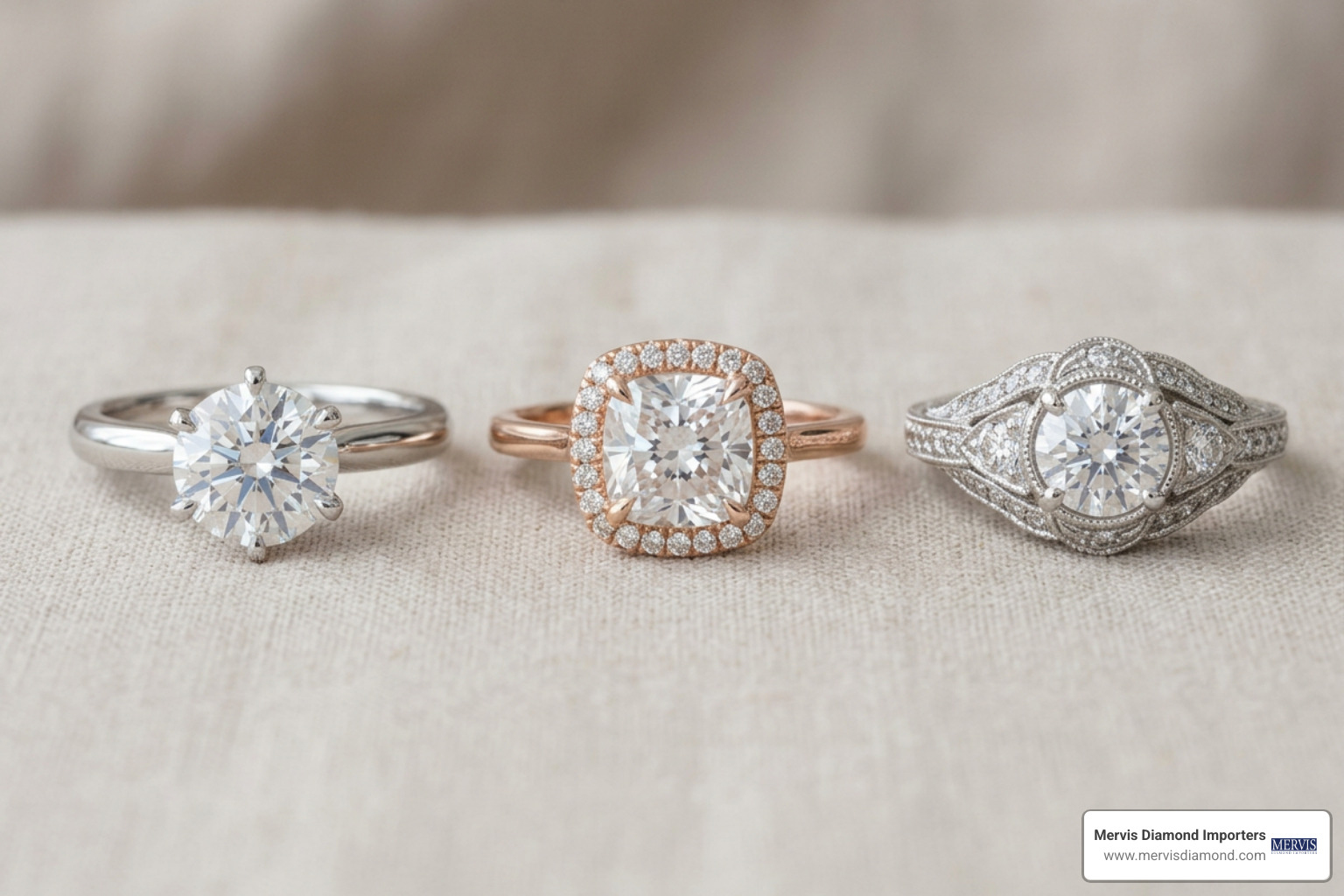
Whether you love a timeless solitaire, a romantic halo, or an intricate vintage setting with a pavé band, lab grown diamonds adapt seamlessly to every metal type, including platinum, white gold, yellow gold, and rose gold.
Choosing the right stone size depends on personal style and hand proportions:
- A 1 ct man made diamond offers classic elegance suitable for smaller fingers or subtle daily wear.
- A 2 carat man made diamond complete guide shows how this popular size offers striking presence and finger coverage.
- A 3 carat lab grown diamond guide reveals how larger sizes make an unforgettable statement without high natural pricing.
How to Choose a 3 Carat or 4 Carat Lab Grown Diamond Ring
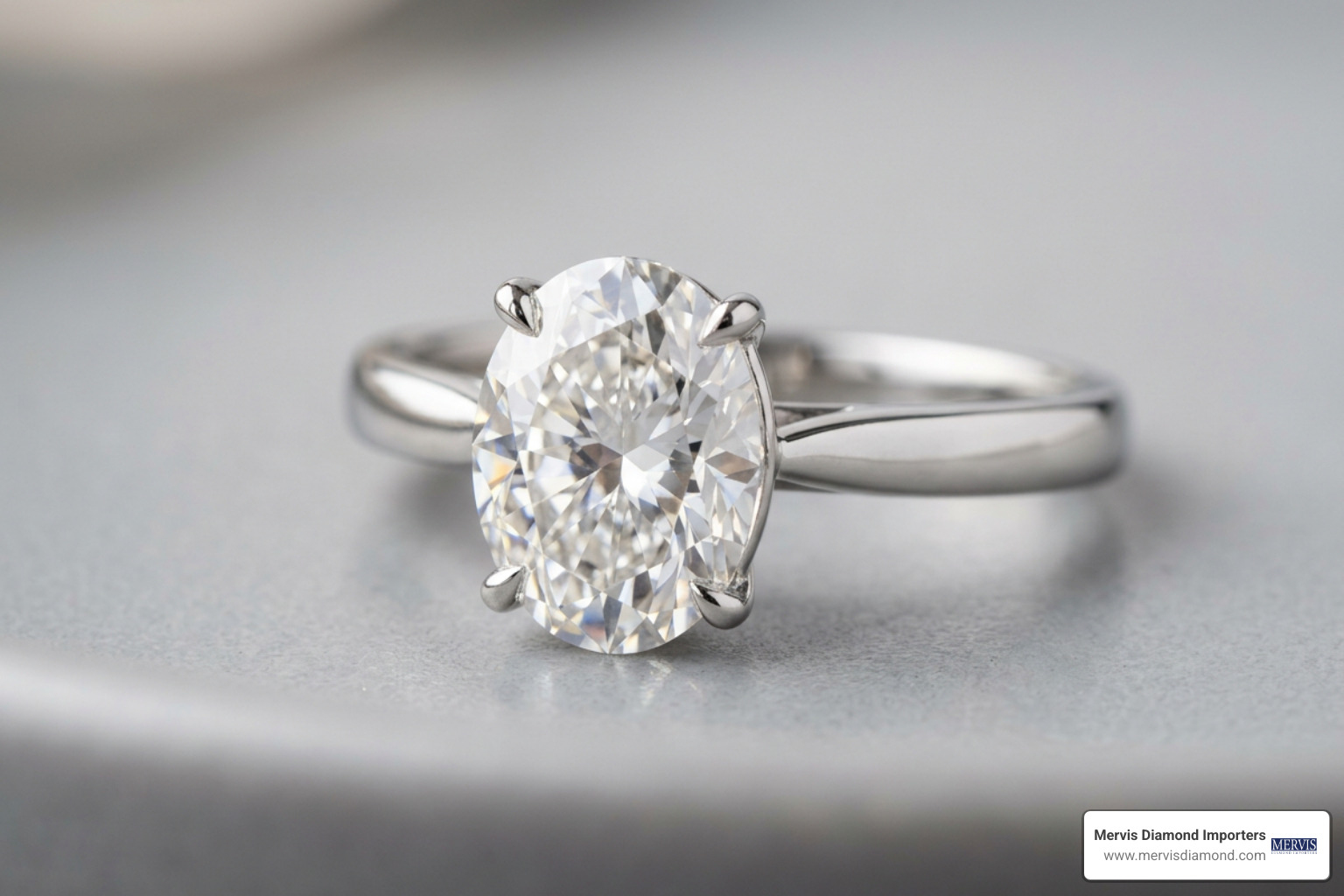
When selecting larger statement diamonds, such as a 3 carat or 4 carat gem, clarity and cut quality become even more paramount. Because larger facet planes act like windows, minor internal inclusions or slight color tints are easier to spot.
Before selecting a statement stone, check the current 3 carat lab grown diamond cost to align your expectations. For expert styling advice on large diamonds, read our 3 carat man made diamond ring guide and our ultimate 4 carat man made diamond guide.
Resale Value, Insurance, and Debunking Common Myths
Let's address common misconceptions surrounding a lab grown diamond ring:
- Myth 1: Lab diamonds get cloudy over time. Fact: A lab diamond will never lose its clarity, yellow, or fade. It is as permanent and durable as a mined diamond.
- Myth 2: Lab diamonds aren't "real." Fact: As confirmed by FTC guidelines, lab diamonds possess identical chemical structures to natural diamonds.
- Myth 3: You can't insure a lab grown ring. Fact: Major jewelry insurance providers insure lab-created diamonds exactly like natural rings based on appraised replacement value. Learn how to secure your investment with our guide: can you insure a lab grown diamond.
Secondary Market Realities
It is important to maintain realistic expectations regarding resale value. Mined diamonds generally retain a higher percentage of their initial value on the secondary market due to natural scarcity. Lab-grown diamonds, due to advancing manufacturing scales, have lower secondary market resale value. Read our full breakdown on do lab grown diamonds have resale value to make a practical choice.
Frequently Asked Questions About Lab Grown Diamonds
Will a lab grown diamond ring fade or become cloudy over time?
No. Because lab grown diamonds feature the identical atomic carbon structure as mined diamonds, they possess permanent clarity and atomic stability. They will not cloud, scratch easily, or change color over time. Regular cleaning keeps their brilliance intact for generations.
Can a standard jewelry loupe tell lab grown diamonds apart from natural?
No. A jeweler using a standard 10x magnification loupe cannot reliably distinguish between a lab-grown and natural diamond. Distinguishing the two requires microscopic inspection of tiny laser inscriptions on the girdle or specialized laboratory equipment that measures growth patterns and micro-elemental variations.
How do I shop for an engagement ring on a budget?
Start by prioritizing the diamond cut to ensure maximum sparkle, then select a carat size that fits your visual goals. Selecting a lab grown diamond gives you immediate leverage to get a larger, higher-clarity stone for less. For step-by-step guidance, view our engagement ring shopping 101 the ultimate guide or our seasonal advice on how to choose the perfect ring for your holiday proposal.
Conclusion: Making the Perfect Choice
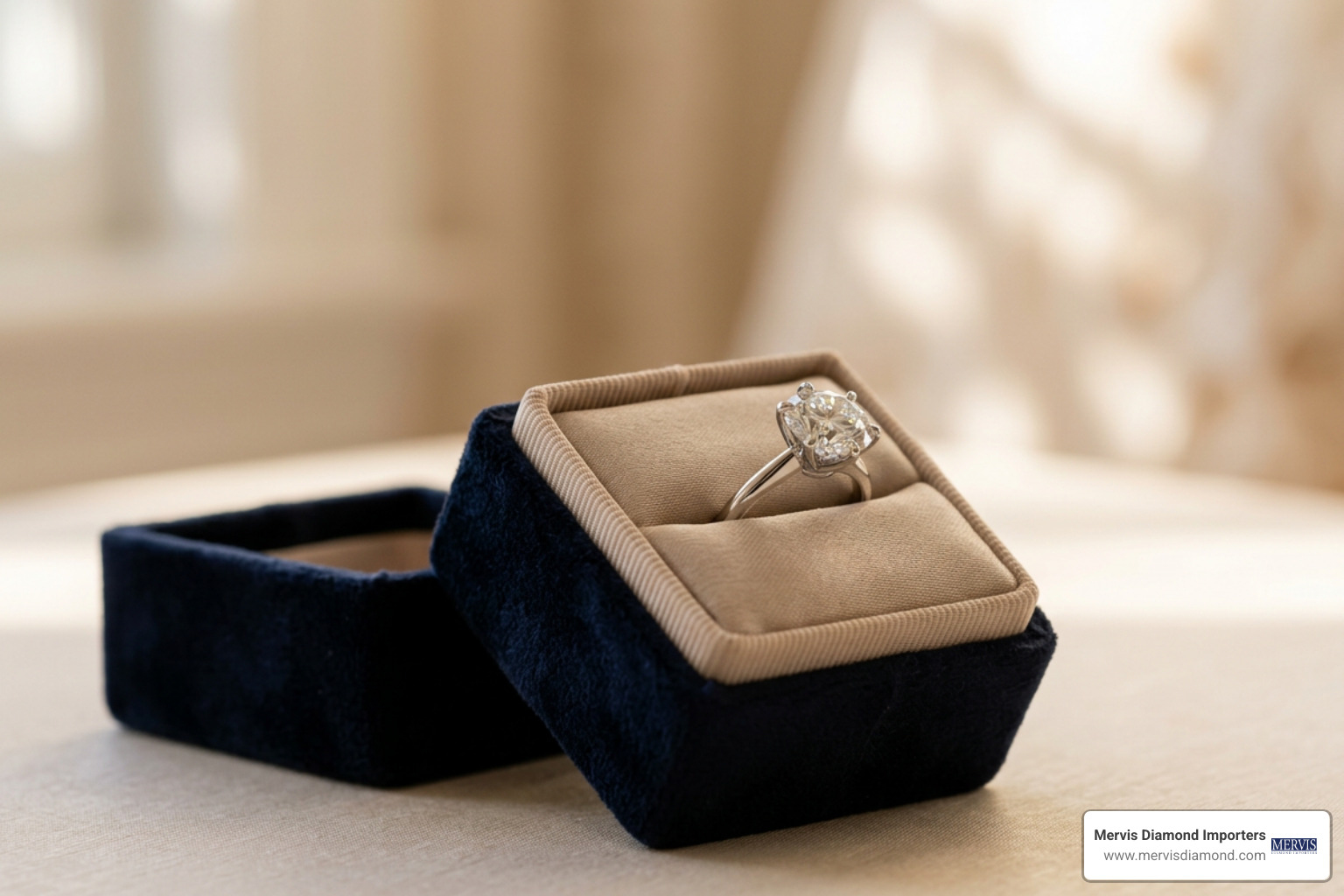
Selecting the right engagement ring is a deeply personal journey. Whether you prefer the rare origin story of a natural earth-mined stone or the accessible luxury, scale, and sustainability of a lab grown diamond ring, our team is here to guide you without pressure.
At Mervis Diamond Importers, we hand-select every diamond for exceptional light performance and beauty. Visit our showrooms in Tysons, VA, Rockville, MD, or Washington, DC, to view both options side-by-side in person.
Learn more about how mervis diamond can help you find the perfect engagement ring on a budget and experience the mervis diamond difference. Schedule your personalized consultation today to explore trending lab grown diamonds in Washington DC.