

Cheap Man Made Diamond Engagement Rings: Affordable Luxury for Your Forever
The Best Cheap Man Made Diamond Engagement Rings in 2026
If you're looking for cheap man made diamond engagement rings, here's the short answer: you can get a beautiful, certified, real diamond ring for far less than you'd expect.
Typical starting prices by style (as of July 2026):
| Ring Style | Starting Price |
|---|---|
| Classic Solitaire | $500 |
| Elegant Halo | $950 |
| Modern Bezel | $1,100 |
| Vintage Pavé | $1,200 |
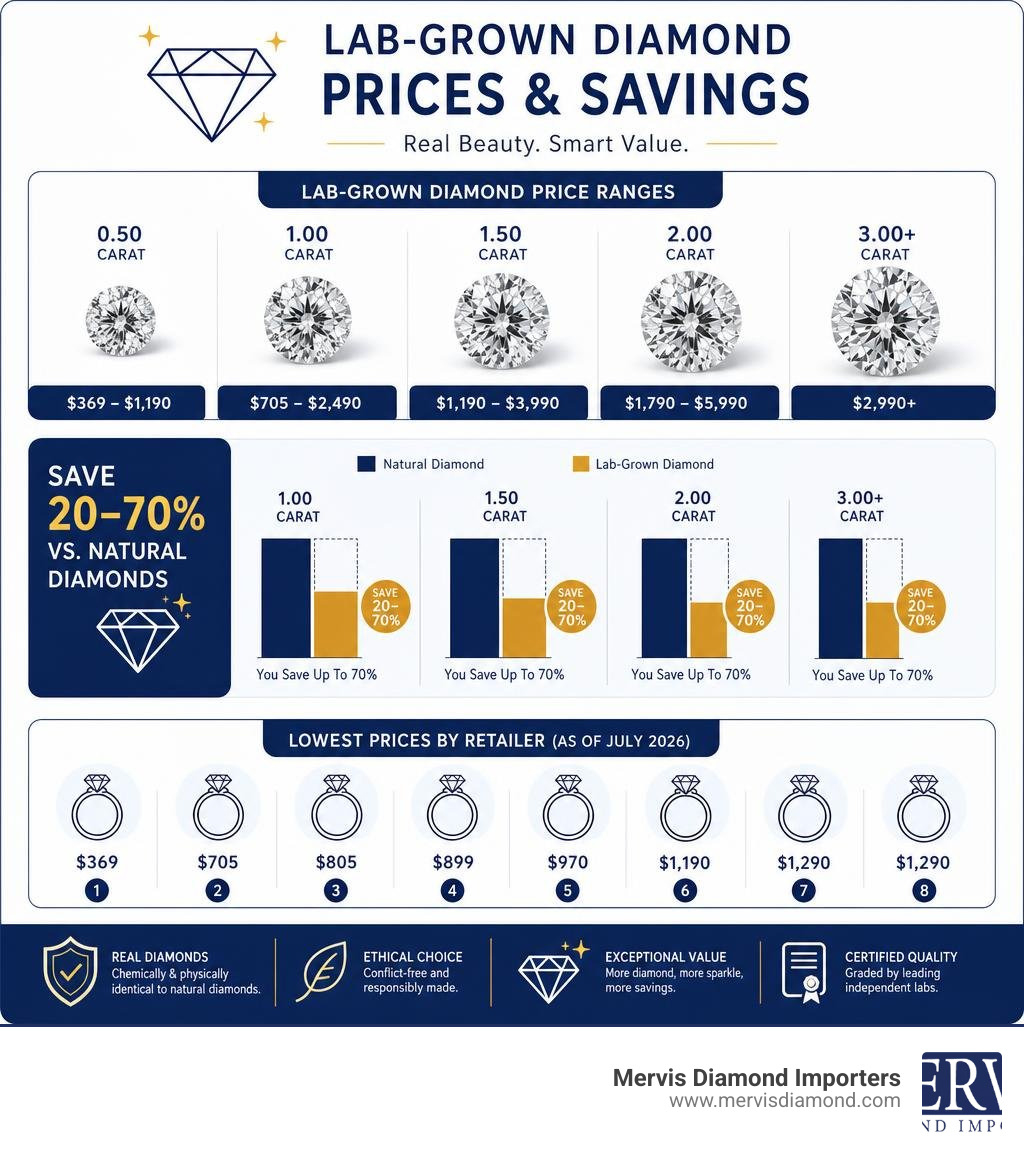
Lab-grown diamonds are chemically and physically identical to mined diamonds. The only difference is where they come from — a lab instead of the ground. That single difference translates to 20–70% lower prices for the same sparkle, hardness, and brilliance.
For couples who want a high-quality, conflict-free ring without overpaying, man-made diamonds are one of the smartest choices you can make right now.
This guide walks you through everything: how lab diamonds are made, how to evaluate quality, which settings and metals keep costs down, and what certifications to look for before you buy.
What Are Lab-Grown Diamonds and Why Are They More Affordable?
To understand why cheap man made diamond engagement rings are such an incredible value, it helps to understand what they actually are. A lab-grown diamond is not a "fake" diamond, nor is it a diamond stimulant like cubic zirconia or moissanite. It is a real diamond.
At the atomic level, both lab-grown and mined diamonds consist of a tightly bound carbon lattice structure. Because of this, they share the exact same optical performance, physical durability, and chemical composition.
Scientists create these stunning gemstones using two primary methods:
- HPHT (High Pressure High Temperature): This method replicates the extreme pressure and heat found deep within the Earth’s mantle. A small diamond seed is placed in carbon and subjected to temperatures over 2,000°C and pressures of nearly 1.5 million pounds per square inch.
- CVD (Chemical Vapor Deposition): In this highly advanced process, a diamond seed is placed in a vacuum chamber filled with carbon-rich gas (like methane). Microwave power ionizes the gas, causing carbon atoms to rain down and crystallize on the seed layer by layer.
But why does this high-tech process make them so much cheaper?
The answer lies in the supply chain. Mining natural diamonds requires massive machinery, heavy labor, land excavation, and complex international shipping routes. Lab-grown diamonds bypass this entire ecological and logistical footprint. They are grown in controlled facilities in a matter of weeks rather than billions of years. When comparing mined vs lab grown diamonds, the physical result is identical, but the lab-grown option bypasses the steep markup of traditional mining.
Because of this streamlined production, lab-grown diamonds typically offer a 20% to 70% cost savings compared to mined stones of similar carat and quality. Best of all, if you are wondering, "do lab diamonds pass a diamond tester?" — yes, they do! Because they are chemically identical to natural diamonds, standard thermal and electrical diamond testers will identify them as genuine diamonds.
| Feature | Lab-Grown Diamonds | Mined Diamonds |
|---|---|---|
| Chemical Composition | Carbon Lattice (C) | Carbon Lattice (C) |
| Mohs Hardness Scale | 10 out of 10 | 10 out of 10 |
| Refractive Index | 2.417 | 2.417 |
| Creation Timeline | 2 to 6 weeks | 1 to 3 billion years |
| Average Cost Savings | 20% to 70% lower | Premium pricing |
| Environmental Impact | Significantly lower footprint | High excavation footprint |
How To Choose High-Quality yet Cheap Man Made Diamond Engagement Rings
Finding a budget-friendly engagement ring doesn't mean you have to settle for a dull, lifeless stone. By understanding how diamonds are graded, you can make smart compromises that keep the price low while keeping the sparkle exceptionally high.
The baseline for evaluating any diamond is the 4Cs: Cut, Color, Clarity, and Carat weight. Here is how we recommend navigating them to get the absolute best value:
- Cut: This is the most important "C" of all. The cut determines how light bounces around inside the diamond and exits back to your eye. A diamond with a mediocre color or minor inclusions will still look incredibly brilliant if it has an Excellent or Ideal cut. Never compromise on the cut.
- Color: Diamonds are graded on a scale from D (colorless) to Z (light yellow). While colorless diamonds demand a premium, you can easily drop down to the "near-colorless" range (G, H, or I) to save money. To the naked eye, these diamonds still look beautifully white, especially when set in yellow or rose gold.
- Clarity: This measures the internal flaws (inclusions) or surface blemishes. While flawless diamonds are incredibly rare and expensive, "eye-clean" diamonds (typically in the VS2 or SI1 range) have minor inclusions that cannot be seen without a jeweler's loupe. Opting for an eye-clean SI1 or VS2 diamond is one of our favorite ways to save.
- Carat: This refers to the diamond's weight. Instead of buying a flat 1.00-carat or 2.00-carat stone, look for "under-sizes" like a 0.90-carat or 1.90-carat diamond. These stones look virtually identical in size but cost significantly less.
For more insider tips, check out our guide on how to save money when buying a diamond.
Depending on your budget, you can find incredible lab-grown options across various carat weights. To help you visualize your options, explore our deep-dives on the 1 ct man made diamond, our comprehensive 2 carat man made diamond complete guide, or our luxury-focused 3 carat man made diamond ring guide.
Smart Carat and Cut Selections for Cheap Man Made Diamond Engagement Rings
The shape of your diamond plays a massive role in both the price and how large the stone appears on your partner's finger. Some shapes naturally look larger than others of the exact same carat weight.
- Round Brilliant: The most popular shape on earth. It offers unmatched fire and brilliance, but it is also the most expensive cut because a large amount of raw diamond material is discarded during the cutting process.
- Oval Cut: An exceptional budget-friendly alternative. Oval diamonds have an elongated shape that makes them look larger than a round diamond of the same weight. Plus, they elegantly elongate the wearer's finger.
- Princess Cut: A classic square shape with sharp, modern corners. Princess cuts are highly efficient to cut from raw crystal, meaning they are often priced lower per carat than round diamonds.
- Emerald Cut: A gorgeous "step-cut" style with parallel facets. It has a vintage, understated elegance. However, because emerald cuts have large, open tables, you may need to choose a slightly higher clarity grade to ensure no inclusions are visible.
- Cushion Cut: A romantic, pillow-like square shape with rounded corners. Cushion cuts offer wonderful sparkle and are often priced very competitively.
If you are curious about how these shapes translate to real-world costs, you can compare the math in our guides:
- How much is a 2 carat diamond ring
- How much is a 3 carat diamond ring
- How much is a 4 carat diamond ring
- How much is a 10 carat diamond ring
Metal and Setting Options for Cheap Man Made Diamond Engagement Rings
Once you have selected your perfect lab-grown center stone, the next step is choosing the setting and metal. These components can dramatically influence the overall price of your ring.

- Solitaire Setting: This is the ultimate budget-friendly choice. It features a single center diamond secured by four or six prongs on a plain metal band. Because it requires minimal labor and accent diamonds, simple solitaire settings often start around $500. This timeless style keeps all the focus on your beautiful center stone.
- Halo Setting: A halo setting features a circle of smaller, inexpensive pavé diamonds surrounding the center stone. This is a brilliant trick for budget buyers: a smaller center diamond (like a 0.75-carat stone) surrounded by a halo will visually look like a 1.50-carat ring, saving you thousands of dollars.
- Bezel Setting: Modern and highly secure, a bezel setting wraps a thin metal rim around the edge of the diamond. This protects the stone from chipping and can make the diamond's perimeter appear slightly larger.
When it comes to metals, 14k gold (yellow, white, or rose) is the sweet spot for budget-conscious couples. It is highly durable, beautiful, and significantly cheaper than 18k gold or platinum. Platinum is incredibly durable and hypoallergenic, but its density makes it much heavier and more expensive.
To put these setting costs into perspective, it helps to look at national averages. You can read our analysis on how much is the average engagement ring to see how choosing smart settings can keep you well below the standard curve.
Key Considerations: Certification, Insurance, and Resale Value
When shopping for cheap man made diamond engagement rings, there are three vital administrative steps you must not overlook: certification, insurance, and understanding long-term value.
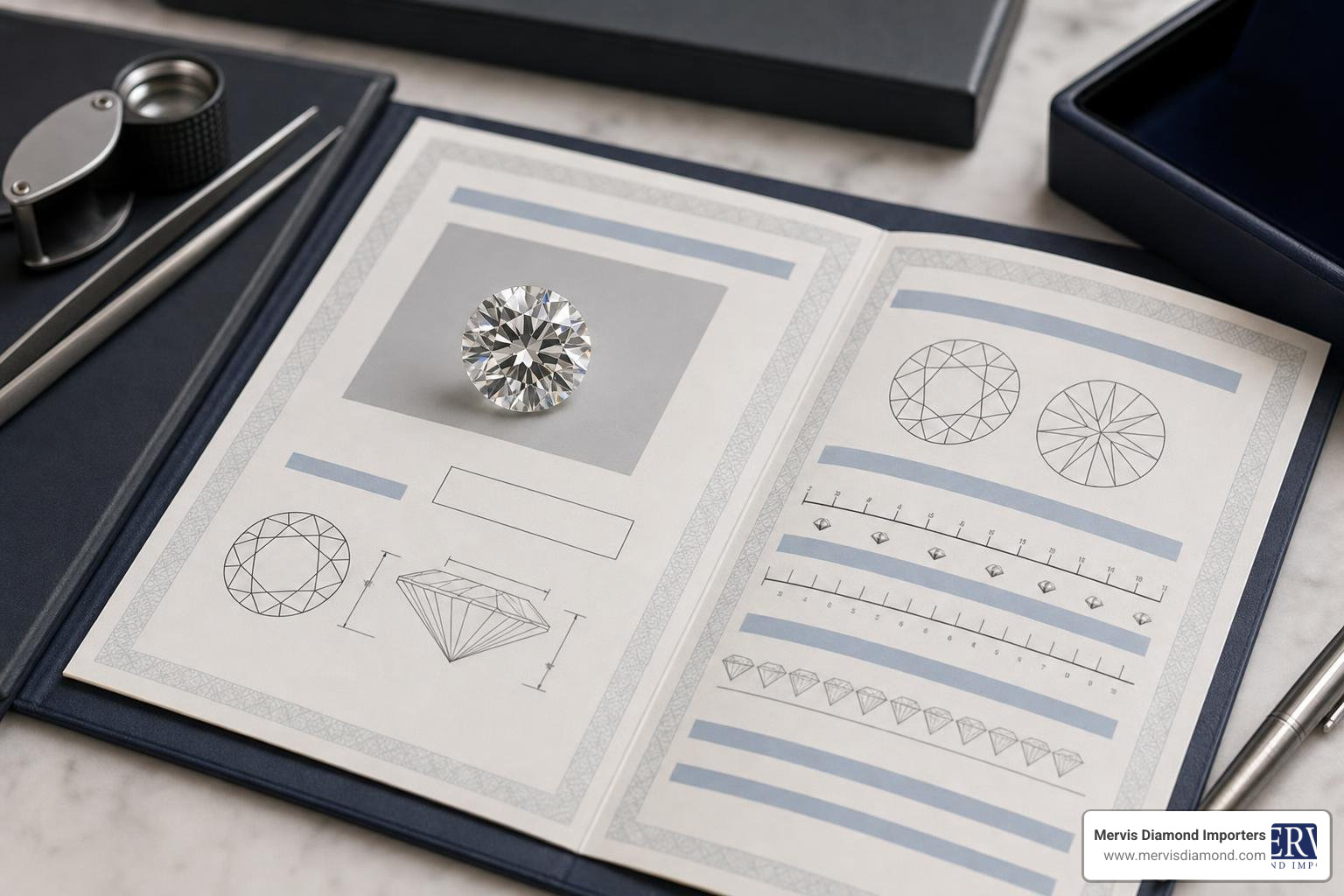
First, always ensure your lab-grown diamond is independently certified. The International Gemological Institute (IGI) and the Gemological Institute of America (GIA) are the gold standards for diamond grading. A certificate ensures that the diamond you are buying actually possesses the cut, color, clarity, and carat weight advertised by the seller. For additional educational background, you can also review GIA's overview of laboratory-grown diamonds.
Second, protect your investment. A common question we hear is, "can you insure a lab grown diamond?" Yes, absolutely! Most major jewelry insurance providers offer comprehensive coverage for lab-grown diamond rings against loss, theft, or damage, often for as little as $2 to $5 a month.
Finally, let's talk about long-term value. Do lab-grown diamonds hold their value the same way natural diamonds do? If you are wondering, "do lab grown diamonds have resale value?" the realistic answer is that they have very limited resale value. Because technology continues to improve and production costs drop, lab-grown diamonds do not typically retain their purchase price on the secondary market. However, because you save so much money upfront, most couples find that the initial savings far outweigh any future resale considerations.
Smart Budgeting and Financing for Your Dream Ring
For decades, the jewelry industry pushed the "three-month salary rule," suggesting you should spend a quarter of your annual income on an engagement ring. In 2026, we are happy to say that this outdated rule is officially history! Your budget should be dictated solely by your personal finances, savings, and comfort level.
To help you plan, it is useful to look at real-world spending data. You can explore our articles on the engagement ring average cost and the average amount spent on an engagement ring. If you are trying to decide how much of your hard-earned savings to allocate, our guide on how much money spend engagement ring offers wonderful, pressure-free clarity.
If you prefer to keep your cash in savings, look into engagement ring financing options. Many reputable jewelers offer interest-free financing plans for 6 to 12 months, allowing you to pay off your ring in comfortable monthly installments without accumulating high-interest debt.
Frequently Asked Questions about Lab-Grown Rings
Are lab-grown diamonds real diamonds?
Yes! Lab-grown diamonds are 100% real diamonds. They are composed of pure carbon atoms arranged in a crystal lattice structure, identical to natural diamonds. They rank a perfect 10 on the Mohs hardness scale, exhibit the exact same optical brilliance, and are visually indistinguishable from mined diamonds, even to experienced gemologists using standard magnifying equipment.
Do lab-grown diamonds pass a diamond tester?
Yes, lab-grown diamonds pass standard diamond testers. Because they possess the exact same thermal and electrical conductivity as mined diamonds, handheld testers will correctly identify them as real diamonds. Advanced laboratory spectroscopy equipment is required to detect the microscopic growth patterns that distinguish lab-grown stones from earth-mined ones.
How do you clean and maintain a lab-grown diamond ring?
Cleaning a lab-grown diamond ring is incredibly simple and can be done easily at home:
- Fill a small bowl with warm water and add a few drops of mild dishwashing soap.
- Let your ring soak for 10 to 20 minutes to loosen any dirt, lotion, or oils.
- Gently brush the diamond and setting with a clean, soft-bristled toothbrush, paying close attention to the hard-to-reach areas underneath the stone.
- Rinse the ring thoroughly under warm running water.
- Dry it with a soft, lint-free microfiber cloth. For the best results, we also recommend visiting a professional jeweler once a year for a complimentary deep clean and prong inspection.
Conclusion
Choosing an engagement ring should be an exciting, joyful milestone — not a source of financial stress. Opting for cheap man made diamond engagement rings allows you to celebrate your commitment with a breathtaking, top-quality gemstone while keeping your savings intact for your future together.
At Mervis Diamond Importers, we specialize in offering beautiful, hand-selected natural and lab-grown diamonds. Our expert team is proud to provide a warm, pressure-free shopping experience across our physical locations, including our showrooms in Tysons, VA, Rockville, MD, and Washington, DC.
While some online-only retailers or national brands offer services digitally, we believe that seeing a diamond in person is the best way to fall in love with its unique sparkle. If you are located in the metro area, you can explore the latest local styles in our guide on trending lab grown diamonds Washington DC.
Ready to find the ring of your dreams without breaking the bank? Let us guide you! Learn more about how Mervis Diamond can help you find the perfect engagement ring on a budget and schedule a personalized consultation with us today.